
Dr. Kaiser Jamil- HOD - Genetics
Department of Genetics
The Department of Genetics is led by an experienced and internationally recognized scientist Dr. Kaiser Jamil with decades of expertise in genetics, biotechnology, cancer biology, and biomarker research. Under her leadership, the department has established robust research programs and high-impact clinical research.
Overview
The Department of Genetics at Bhagwan Mahavir Medical Research Centre (BMMRC) is a centre of excellence dedicated to advancing precision diagnostics, translational research, and patient-centric genetic services. The department integrates clinical genetics with molecular biology and pathology to support accurate diagnosis, risk stratification, and personalized management of complex diseases. With a strong emphasis on ethical practices and quality standards, the department serves as a bridge between laboratory science and clinical care.
Vision&Mission
To be a leading genetics centre that delivers reliable and impactful research output in the form of publications and education-driven healthcare solutions for improved patient outcomes in certain areas of health and diseases.
- To provide high-quality genetic and molecular diagnostic services aligned with clinical needs.
- To conduct translational research addressing diseases of public health relevance.
- To promote ethical, evidence-based genetic testing and counselling.
- To train students, clinicians, and researchers in contemporary genetics.
Core Areas of Expertise
- Cancer Genetics & Molecular Oncology: Biomarker discovery, pharmacogenomics, and genetic risk assessment to guide targeted therapies.
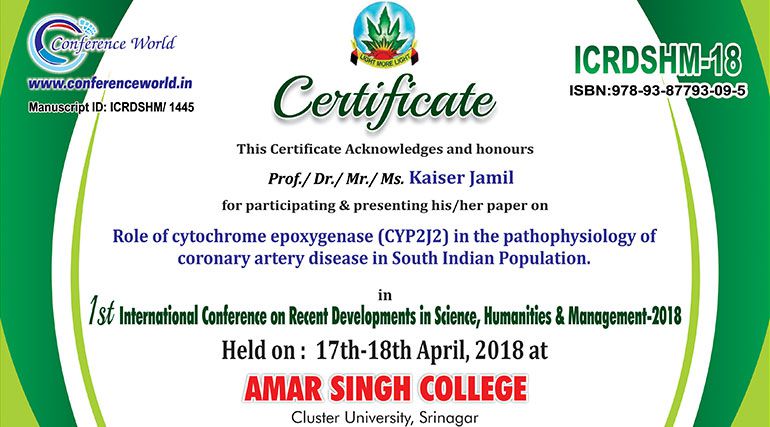
- Metabolic & Lifestyle Disorders: Genetic and inflammatory markers associated with diabetes, cardiovascular disease, Allergic Rhinitis and obesity.
- Cytogenetics & Genetic Toxicology: Chromosomal analysis and evaluation of genotoxic exposures.
- Molecular Diagnostics: PCR-based assays, gel electrophoresis, spectrophotometric analyses, and biochemical testing to support clinical diagnosis.
- Biomarker Discovery & Validation: Translational studies aimed at early detection and prognosis.
Clinical implications of our research
- Molecular – based research studies for a few cancers (oncology), endocrinology, cardiology, and pathological activities.
- Laboratory consultation and interpretation which can lead to aid in patient management.
- Genetic screening for inherited and acquired disorders.
Research & Innovation
The department had actively undertaken multidisciplinary research projects supported by national agencies and institutional initiatives. Research outcomes were focussed on clinically actionable biomarkers, gene–environment interactions, and personalized medicine. The department also collaborates with academic institutions, hospitals, to translate research into practice such as “From Lab to bedside”.
Education & Training
- Training programs for postgraduate students, research scholars, and laboratory professionals.
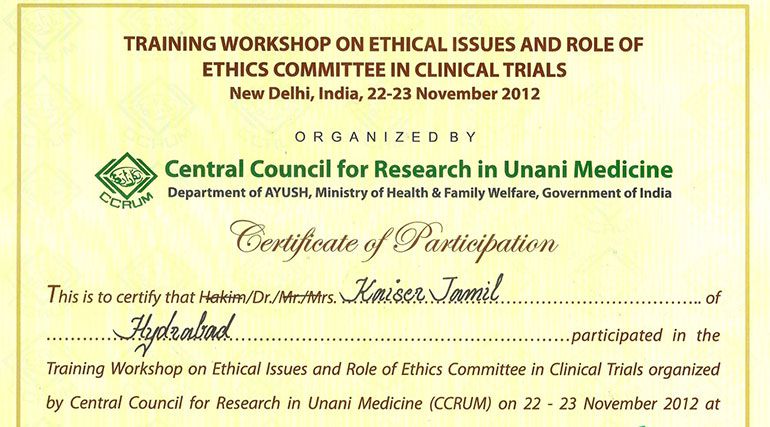
- Workshops and continuing medical education programs in genetics, molecular diagnostics, and bioinformatics.
- Mentorship for post-graduate, doctoral and postdoctoral research.
Ethics & Quality
- Strong adherence to institutional and national ethical guidelines.
- Commitment to data integrity, patient confidentiality, and informed consent.
- Continuous quality improvement and standard operating procedures.
Some Achievements
Key Achievements, Grants & Publications
- Research Excellence: Successful completion of multiple nationally funded research projects supported by agencies such as CSIR, DBT, and other government and institutional funding bodies, focusing on cancer genetics, cytogenetics, genetic toxicology, and biomarker discovery.
- High-Impact Publications: The department has contributed to 200+ peer-reviewedscientific publications in reputed national and international journals, with several thousand citations, reflecting sustained academic and translational impact.
- Pharmacogenomics Leadership: Pioneering work on drug–gene interactions in breast cancer, head and neck cancer, and haematological malignancies, influencing personalized therapeutic strategies.
- Infrastructure Development: Establishment of advanced cytogenetics and genetic toxicology techniques using in-vitro technologies, strengthening research capabilities.
- Human Resource Development: Guidance and mentorship of 45 doctoral (PhD) scholars, contributing to capacity building in genetics and allied biomedical sciences.
- Patents & Innovation: Inventorship of multiple patents related to genetic and molecular innovations with potential clinical and industrial applications.
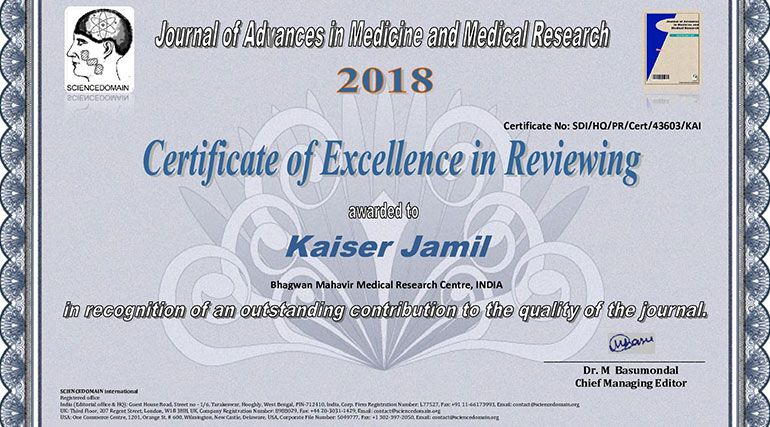
- Editorial & Academic Leadership: Active participation in editorial boards of national and international journals and leadership roles in scientific organizations, promoting research integrity and publication ethics.
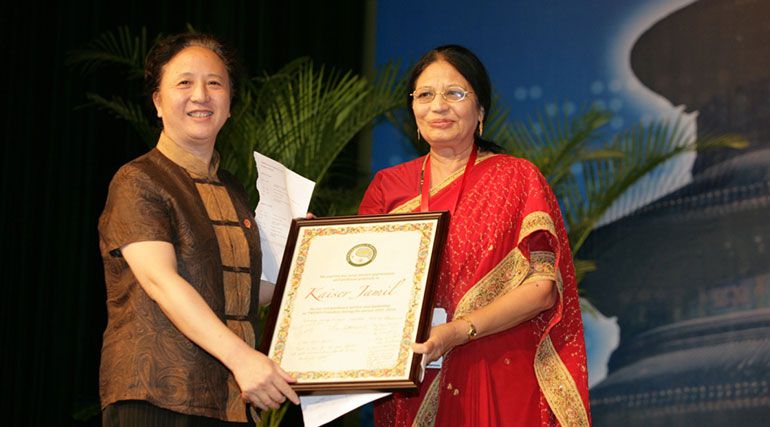
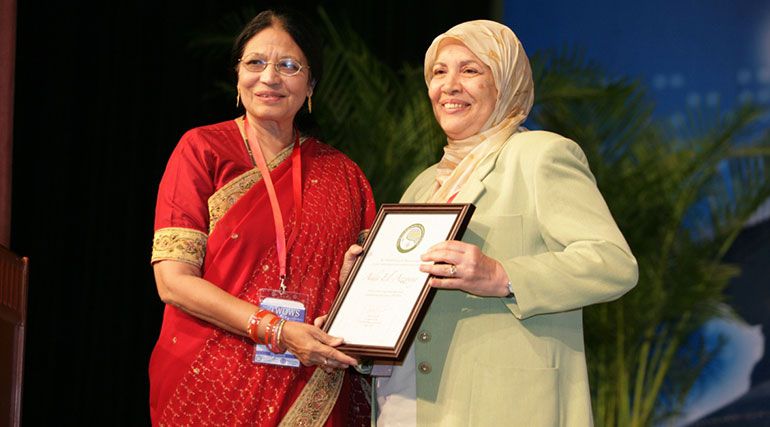
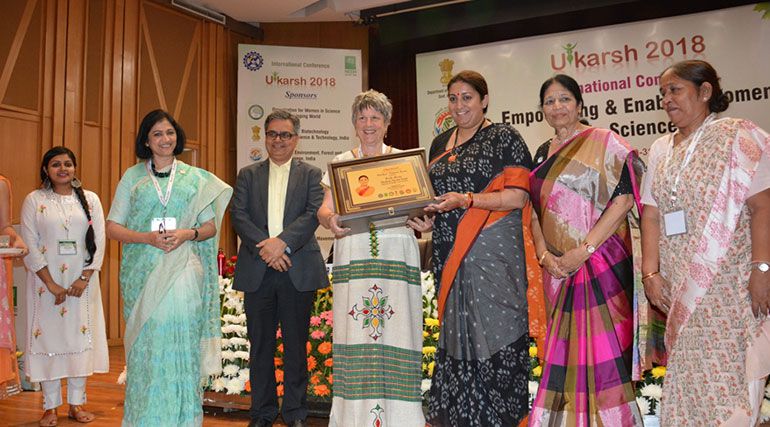
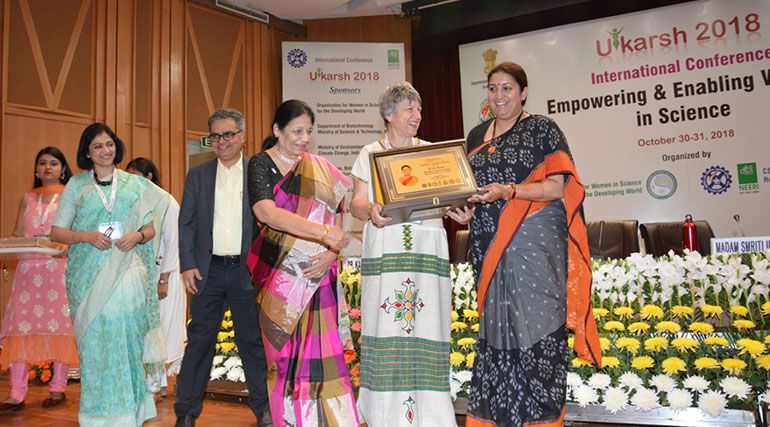
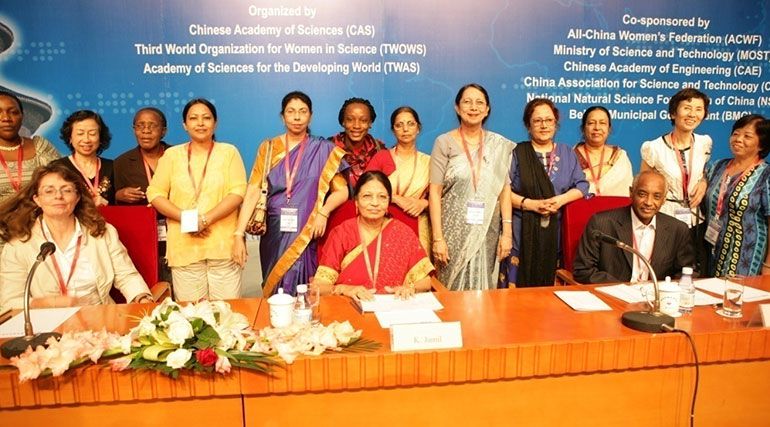
- Awards & Recognition: Receipt of numerous national and international awards recognizing contributions to genetics, cancer biology, bioinformatics, and women’s leadership in science.
Commitment to Society
The department supports community outreach, awareness programs, and initiatives promoting women in science and education. Its work aligns with BMMRC’s mission to deliver compassionate, research-driven healthcare.
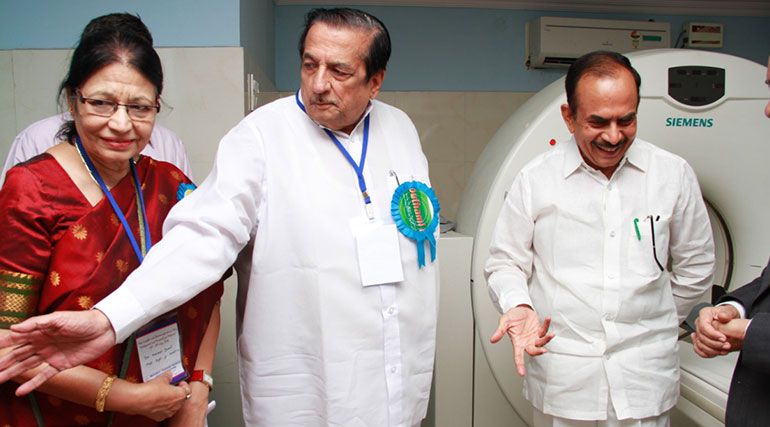
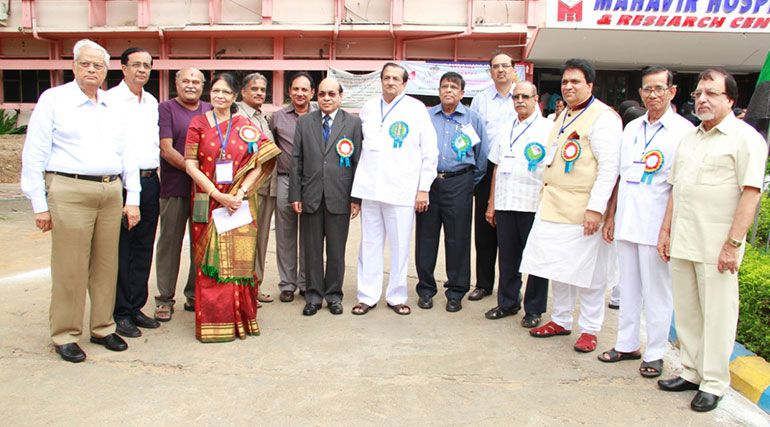
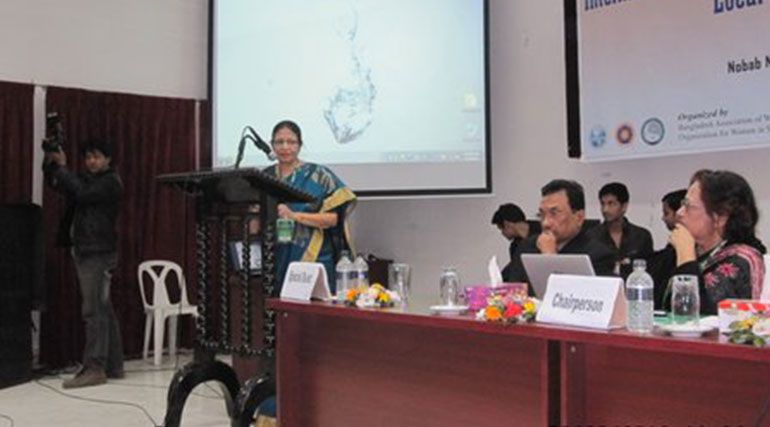
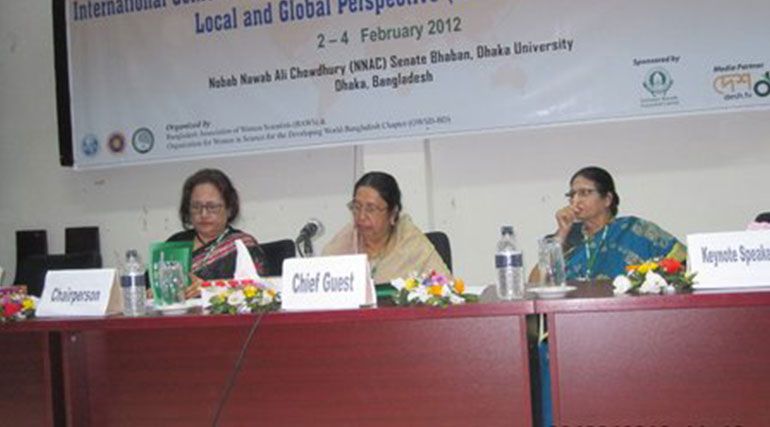
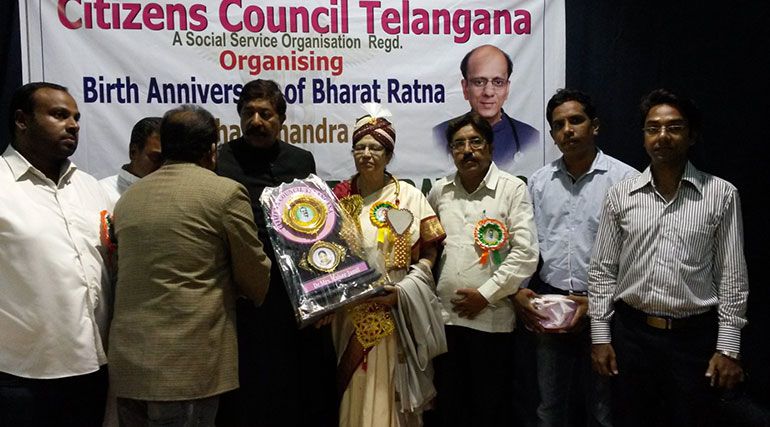
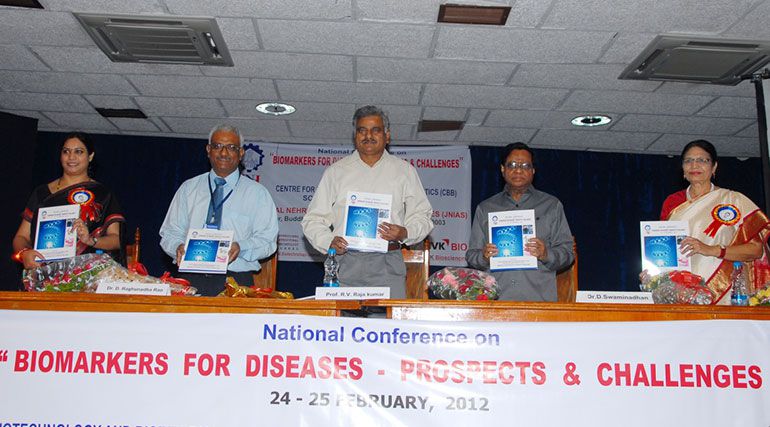
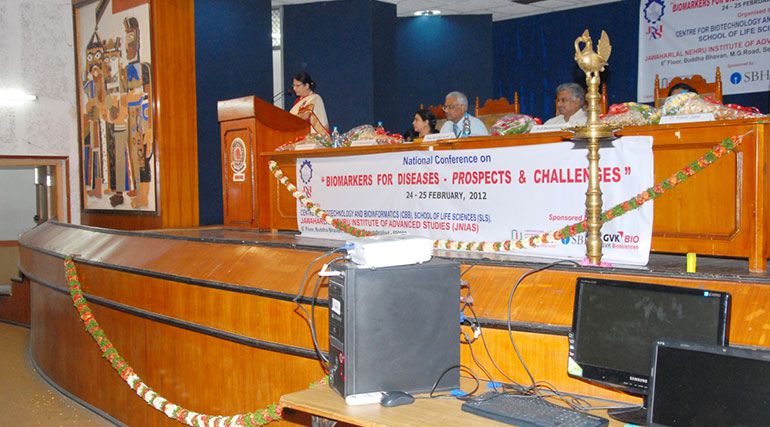
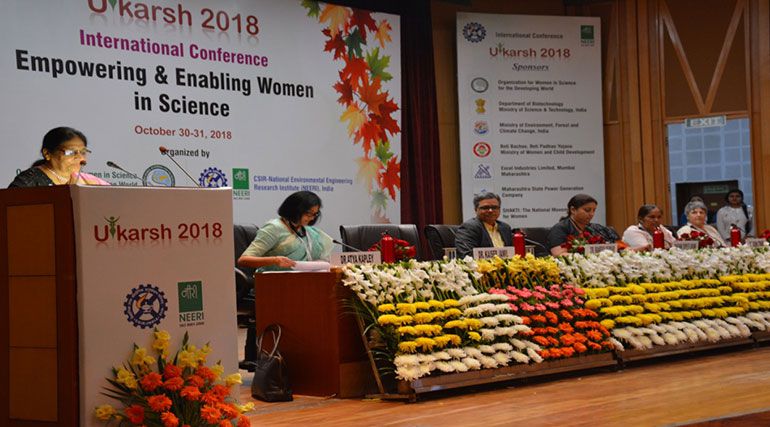
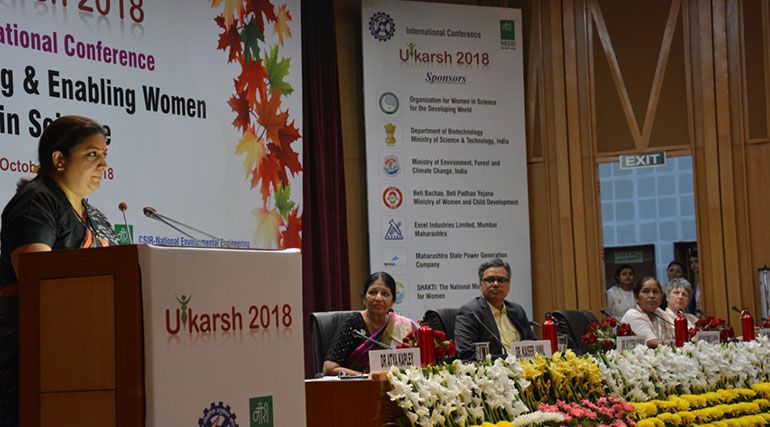
Activities of Genetics Department







140
Dialysis Per Day

1000
Kidney Transplants

110
Nursing Staff

30
Expert Health Care Professionals
37089
Website Visitors